CTIF Vice‑President Zisoula Ntasiou briefed EU regions on the rising wildfire risks
Merci d'avoir choisi Automatic Translation. Nous proposons actuellement des traductions de l'anglais vers le français et l'allemand. D'autres langues de traduction seront ajoutées dans un avenir proche. Veuillez noter que ces traductions sont générées par un service logiciel d'IA tiers. Bien que nous ayons constaté que les traductions sont généralement correctes, elles peuvent ne pas être parfaites dans tous les cas. Pour vous assurer que les informations que vous lisez sont correctes, veuillez vous référer à l'article original en anglais. Si vous trouvez une erreur dans une traduction que vous souhaitez porter à notre attention, il nous serait très utile que vous nous en fassiez part. Nous pouvons corriger n'importe quel texte ou section, dès que nous en avons connaissance. N'hésitez pas à contacter notre webmaster pour nous faire part de toute erreur de traduction.
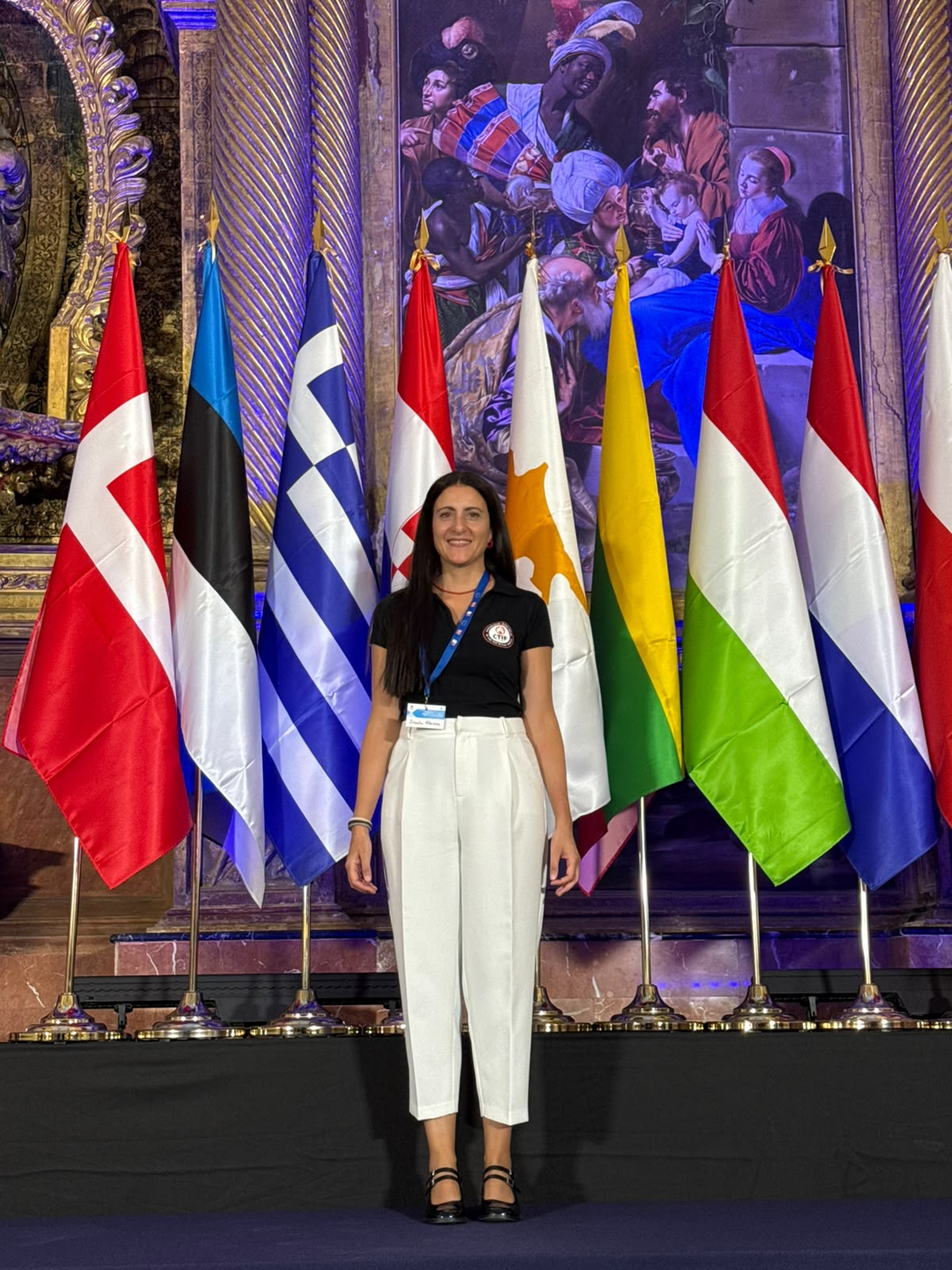
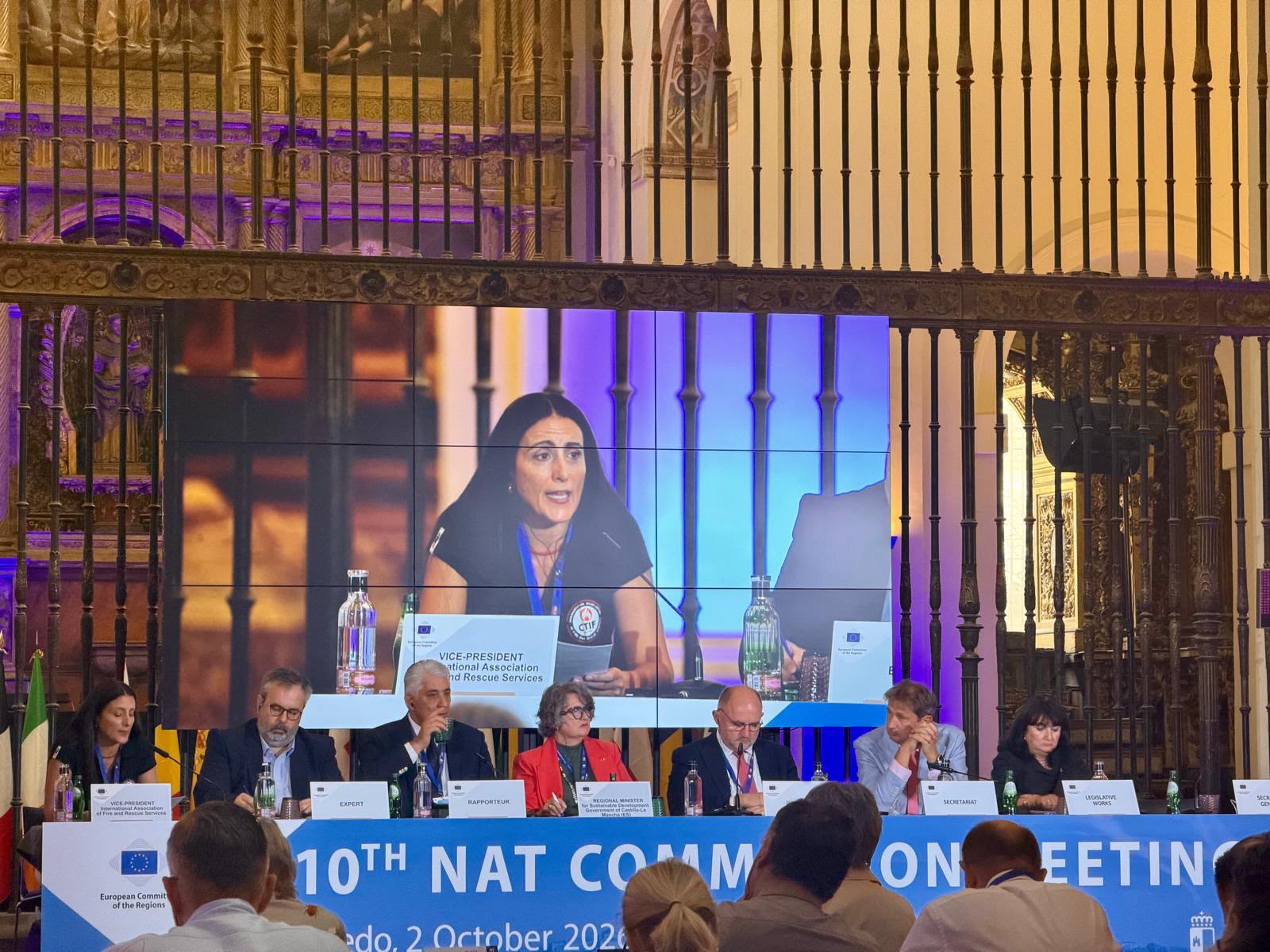
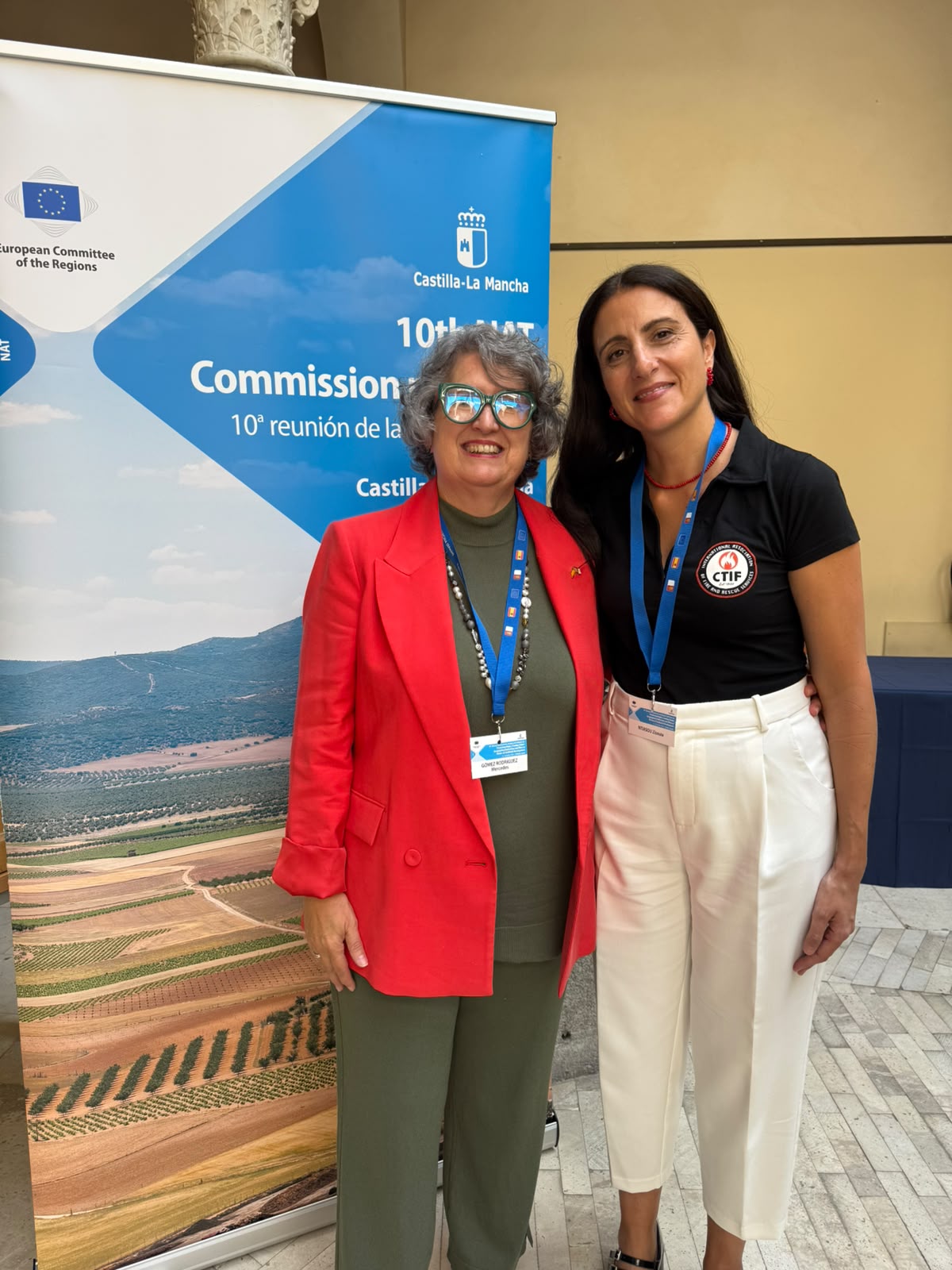
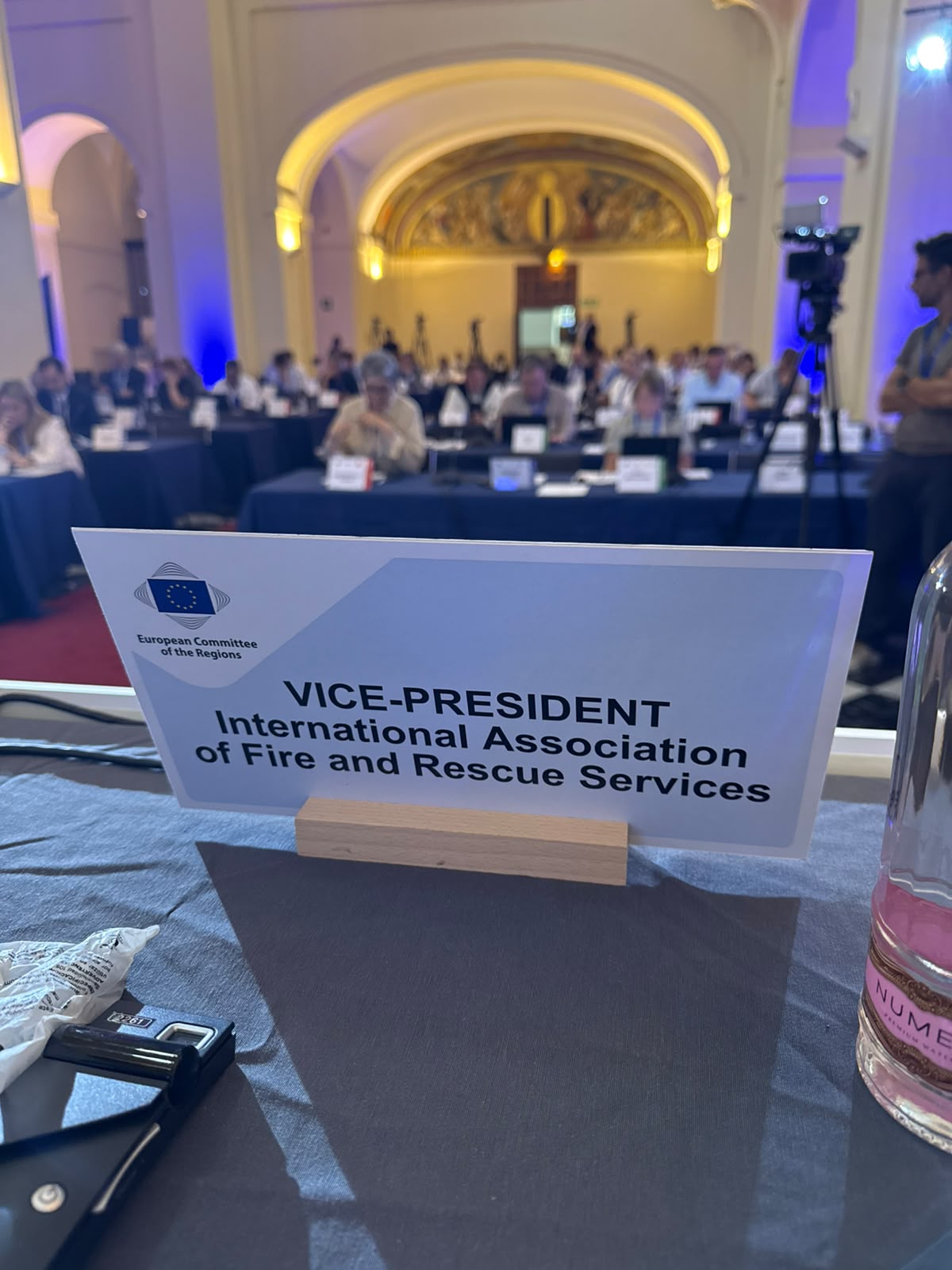
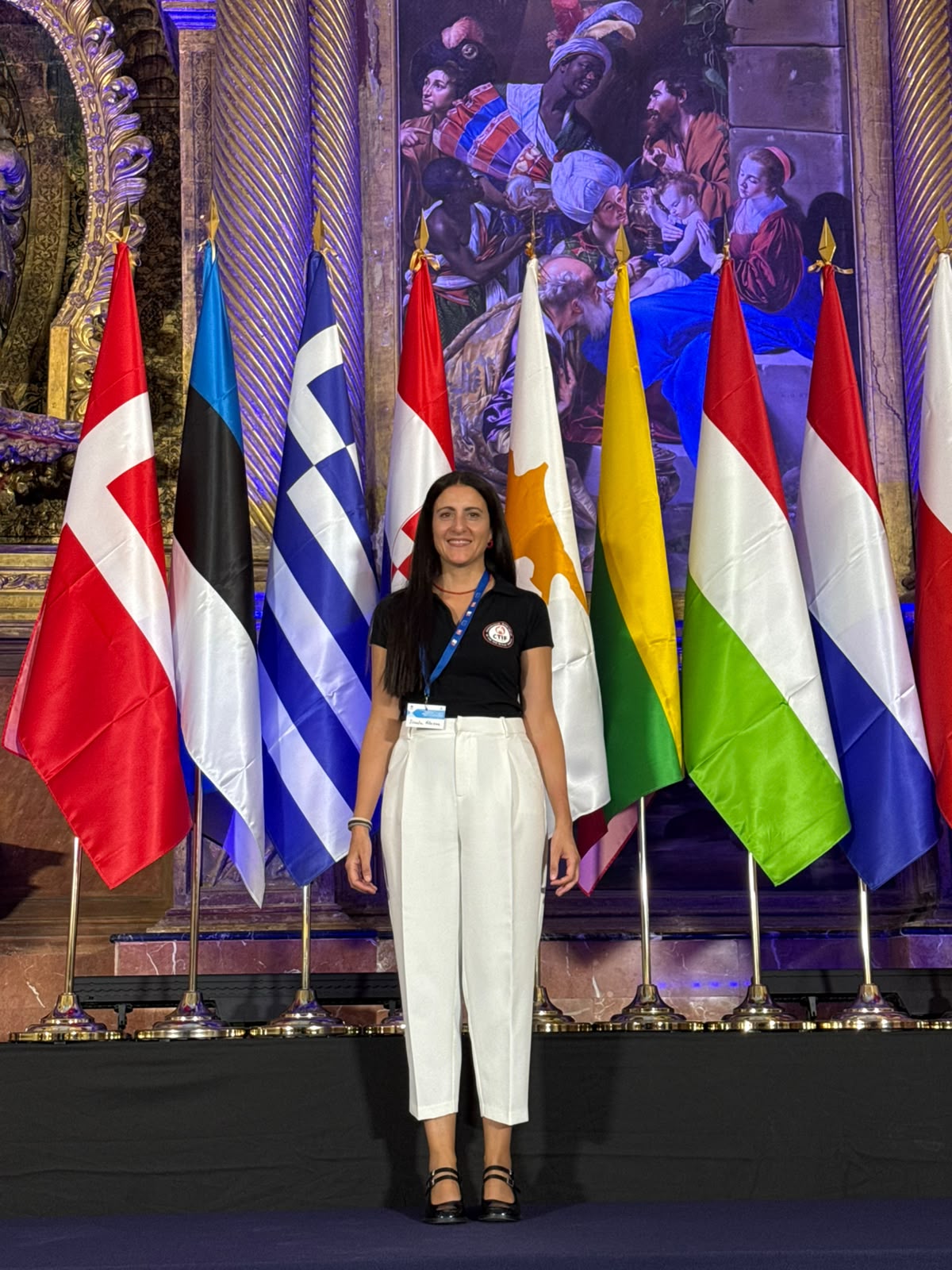 On October 2nd, Zisoula Ntasiou, vice‑President of CTIF and Secretary of the CTIF Forest Fire Commission, presented in a high‑level meeting of the European Committee of the Regions (CoR) in Toledo, Spain.
At the meeting she contributed operational perspective of firefighters and first responders to the EU’s ongoing work on Integrated Wildfire Risk Management. Her presentation formed part of the CoR’s debate on a new draft opinion led by Dimitrios Kafantaris, Municipal Councillor of Pylos‑Nestoros, member of NAT – Commission for Natural Resources and Rapporteur for the CoR opinion “Integrated Wildfire Risk Management”.
During the session, which followed a summer described by EU officials as “devastating,” Ntasiou outlined key lessons emerging from the 2026 European wildfire season. She emphasized the increasing complexity of fire behaviour, the influence of extreme weather, and the growing exposure of communities, all of which are driving more challenging evacuations and response operations across Europe.
Her remarks aligned with broader concerns raised during the meeting, where members noted that today’s wildfires often behave unpredictably and have become “extreme phenomena.”
Ntasiou stressed that operational experience from the field must be integrated into Europe’s wildfire‑resilience strategies, complementing scientific research, policy frameworks, and local and regional governance. She highlighted the need for stronger prevention, preparedness, and cross‑border operational cooperation, echoing the CoR’s call for year‑round wildfire risk management adapted to local conditions.
Her participation ensured that the perspectives of CTIF and its Forest Fire Commission were represented in an important EU policy discussion at a moment when wildfire impacts, costs, and complexity continue to rise across the continent.