
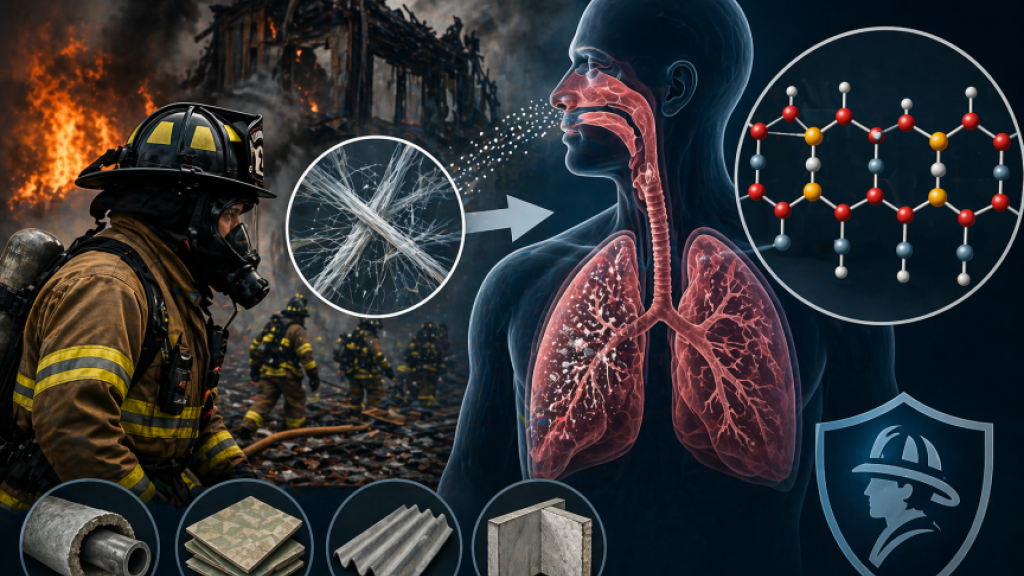
Los bomberos y el amianto: Un riesgo probado de cáncer - Los síntomas pueden aparecer décadas después de la exposición
Gracias por elegir Automatic Translation. Actualmente ofrecemos traducciones del inglés al francés y al alemán, y próximamente añadiremos más idiomas de traducción. Tenga en cuenta que estas traducciones son generadas por un servicio de software de IA de terceros. Aunque hemos comprobado que las traducciones son correctas en su mayoría, puede que no sean perfectas en todos los casos. Para asegurarse de que la información que lee es correcta, consulte el artículo original en inglés. Si encuentra un error en una traducción que desea comunicarnos, nos sería de gran ayuda que nos lo hiciera saber. Podemos corregir cualquier texto o sección, una vez que tengamos conocimiento de ello. No dude en ponerse en contacto con nuestro webmaster para comunicarnos cualquier error de traducción.
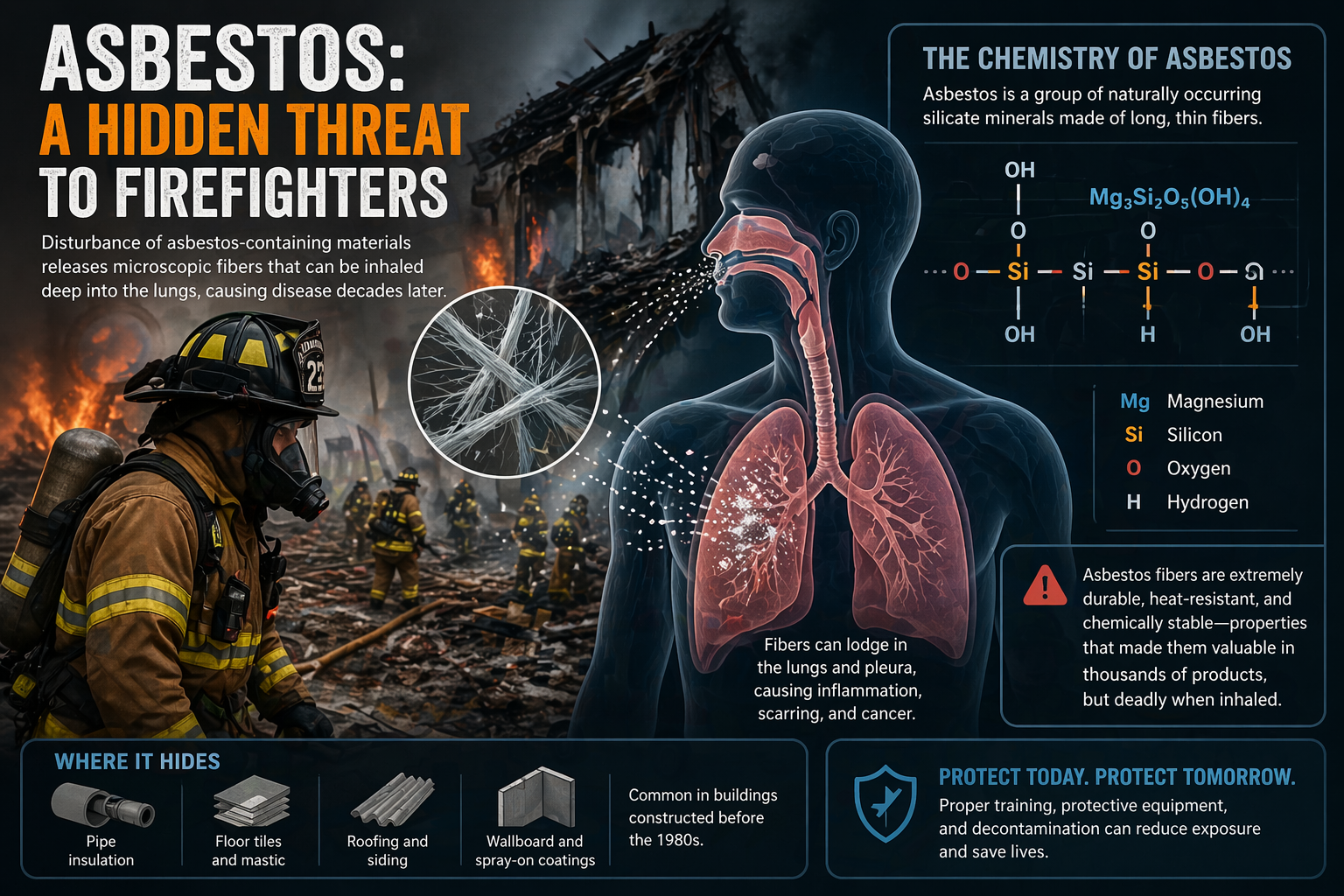
Illustration Credit: Executed by Chat GPT from a prompt by Bjorn Ulfsson. ">
La extinción de incendios se ha identificado como una de las ocupaciones con los riesgos de cáncer más claramente documentados en la investigación moderna sobre salud pública, según las conclusiones de los principales organismos internacionales y estadounidenses .
En 2022, la Centro Internacional de Investigaciones sobre el Cáncer reclasificó la exposición ocupacional como bombero al Grupo 1 - "cancerígeno para los humanos" - la categoría de riesgo más alta de la agencia. Según el artículo, la decisión se basó en pruebas suficientes que vinculan la lucha contra el fuego con el mesotelioma y el cáncer de vejiga.
Las pruebas provienen del Estudio del NIOSH sobre el cáncer de los bomberosen el que se realizó un seguimiento de casi 30.000 bomberos profesionales en tres grandes ciudades de Estados Unidos. El estudio reveló que los bomberos corren más del doble de riesgo de desarrollar mesotelioma que la población general, con un índice de incidencia normalizado de 2,29.
El grupo de trabajo del CIIC declaró que la clasificación se aplica ampliamente a todos los bomberos que participan en actividades de extinción de incendios, incluidos los voluntarios. Los elevados riesgos de cáncer se han observado sistemáticamente en múltiples estudios y metaanálisis internacionales, lo que refuerza el alcance mundial del problema.
Los síntomas pueden manifestarse mucho después de terminar la carrera de bombero: hay que estar atento a la acumulación de líquido y la dificultad respiratoria.
Los investigadores señalan que aún no se conoce el alcance total de la enfermedad. El mesotelioma suele desarrollarse tras unperiodo de latencia de varias décadas en , lo que significa que los bomberos expuestos en las décadas de 1970 y 1980 quizá estén entrando ahora en el periodo de mayor riesgo de diagnóstico.
Según un artículo publicado en el blog médico Mesothelioma Hope, ,los efectos del amianto sobre la salud suelen aparecer entre 10 y 50 años más tarde, con signos precoces como dificultad para respirar y acumulación de líquido.
Si ha estado expuesto al amianto, el sitio web aconseja que hable con su médico sobre la posibilidad de someterse a pruebas de detección de mesotelioma y otras enfermedades relacionadas, aunque aún no tenga síntomas.
Un artículo de la base de conocimientos WikiMesothelioma aborda las tasas de diagnóstico entre los bomberos, las vías de exposición profesional y las opciones de indemnizacióndisponibles para los miembros afectados y sus familias. Está escrito para el público en general: miembros de sindicatos, bomberos jubilados y familias que intentan comprender sus opciones tras un diagnóstico de mesotelioma.
Aspectos destacados del artículo:
Laexposición al amianto se produce durante incendios, derrumbes y respuesta a catástrofes
La exposición se produce con mayor frecuencia cuando el personal de respuesta interviene en estructuras en llamas o dañadas en las que se alteran materiales que contienen amianto. Los incendios estructurales, los derrumbes de edificios y las emergencias a gran escala liberan fibras microscópicas en el aire, creando riesgos de inhalación durante las operaciones activas.
Los materiales tóxicos liberados por los edificios antiguos constituyen un riesgo primario
Muchos edificios antiguos todavía contienen amianto en aislamientos, suelos, tejados y otros materiales. Cuando estas estructuras arden o resultan dañadas, las fibras de amianto se dispersan por el aire, convirtiendo las operaciones rutinarias de extinción de incendios y rescate en riesgos para la salud a largo plazo.
Las operaciones de revisión y post-incendio suponen el mayor riesgo de exposición
El artículo destaca la revisión -la fase en la que los bomberos buscan el fuego oculto- como uno de los periodos más peligrosos de exposición. Durante esta fase, a veces se reduce o se elimina la protección respiratoria, a pesar de que las toxinas y las fibras de amianto transportadas por el aire pueden seguir presentes en altas concentraciones.
Ellargo periodo de latencia retrasa el diagnóstico durante décadas
El mesotelioma puede tardar entre 20 y 50 años en desarrollarse tras la exposición, lo que significa que a muchos bomberos se les diagnostica mucho después de su servicio activo. Este retraso complica la detección precoz y contribuye al aumento del número de casos entre los jubilados.
Lascatástrofes a gran escala aumentan significativamente los niveles de exposición
Los grandes incidentes, como los atentados terroristas o los derrumbes de grandes edificios, pueden aumentar drásticamente los niveles de exposición debido al enorme volumen de escombros y materiales peligrosos liberados. Los intervinientes en estos sucesos a menudo se enfrentan a un contacto prolongado e intenso con contaminantes transportados por el aire.
Las medidas de protección y la concienciación siguen siendo lagunas críticas
Aunque los equipos de protección y los protocolos de seguridad han mejorado, el artículo señala la existencia de lagunas en la concienciación y el uso sistemático, especialmente durante las últimas fases de los incidentes. La formación, la aplicación de políticas y los cambios culturales dentro de los servicios de bomberos se identifican como áreas clave de mejora.
Las opciones de indemnización incluyen la compensación de los trabajadores y los fondos fiduciariospara el amianto
En el artículo se describen varias vías de ayuda financiera a disposición de los intervinientes afectados, incluidos los sistemas de compensación de los trabajadores, los fondos fiduciarios para el amianto establecidos por los fabricantes en quiebra y las reclamaciones legales. Estos mecanismos pretenden ayudar a cubrir los costes médicos y proporcionar apoyo a las personas diagnosticadas con cánceres profesionales.
La Base de Conocimientos WikiMesothelioma también ofrece un podcast sobre la exposición al amianto, The Asbestos Podcast - episodios sobre la historia de la regulación del amianto, la compensación de los fondos fiduciarios y la exposición ocupacional para industrias específicas. Disponible también en Apple y Spotify.
Más información:
https://www.sffcpf.org/niosh-study-of-firefighters-finds-increased-rates-of-cancer/
https://www.ncbi.nlm.nih.gov/books/NBK597261/?
https://www.cancer.org/cancer/risk-prevention/chemicals/firefighting.html?
https://wikimesothelioma.com/wiki/Firefighters_First_Responders
https://www.thelancet.com/journals/lanonc/article/PIIS1470-2045(22)00390-4/abstract?
